
Australian grass fed beef: Why It Defines Quality Meat in Australia
Australian grass fed beef stands as a global symbol of clean farming, ethical animal care, and superior nutrition. Across the continent, vast open pastures, strict agricultural standards, and generations of farming expertise shape a meat industry admired worldwide. Understanding how Australia produces grass fed beef helps consumers appreciate not just its taste, but the values behind it.
This guide explores how grass fed beef fits into Australia’s meat culture, what makes it different from grain-fed alternatives, and why it continues to earn trust from chefs, families, and health-conscious buyers around the world.
Australia’s Unique Landscape and Its Role in Beef Production
Australia’s geography plays a major role in the way beef cattle grow. The country offers millions of hectares of natural grazing land, stretching from coastal plains to inland grasslands. These environments allow cattle to roam freely and graze year-round.
Unlike intensive feedlot systems, pasture-based farming relies on seasonal grasses rather than manufactured feed. Rainfall patterns, soil health, and native grass varieties all influence how cattle mature. This natural approach produces beef with a distinct texture and flavour that reflects the land itself.
Australian farmers invest heavily in land management. Rotational grazing protects soil quality and encourages grass regeneration. This method supports long-term sustainability while maintaining consistent beef quality.
What “Grass Fed” Truly Means in Australia
In Australia, grass fed cattle consume a diet made entirely from grass and forage. This includes fresh pasture, hay, and silage. Farmers do not rely on grain-based feed to accelerate growth.
Australian standards around grass fed production remain among the most transparent globally. Many producers follow programs that track cattle from birth to processing. This traceability ensures accurate labelling and strengthens consumer confidence.
Grass fed systems focus on animal welfare. Cattle experience less stress because they grow in open spaces rather than confined environments. Calm animals tend to produce better meat, which contributes to tenderness and consistency.
Nutritional Benefits of Grass Fed Beef
Grass fed beef offers a nutrient profile that appeals to modern consumers. It contains higher levels of omega-3 fatty acids compared to grain-fed alternatives. These fats support heart health and balanced nutrition.
The meat also delivers conjugated linoleic acid (CLA), a natural compound linked to improved metabolic health. Grass fed beef typically provides more antioxidants, including vitamin E and beta-carotene.
Australian beef producers prioritize natural growth cycles. This approach leads to leaner cuts with dense nutrients, making grass fed beef suitable for people focused on clean eating and whole foods.
Taste, Texture, and Cooking Experience
Grass fed beef delivers a rich, earthy flavour that reflects Australia’s pasture systems. The taste feels cleaner and less fatty than grain-fed beef, which many people prefer once they become familiar with it.
Texture varies depending on the cut and cooking method. Because grass fed beef grows more slowly, muscle fibres develop differently. Proper preparation matters. Gentle cooking methods, resting the meat, and avoiding overcooking help preserve tenderness.
Australian chefs often highlight grass fed beef in fine dining because it pairs well with simple seasoning. The natural flavour shines without heavy sauces or marinades.
Sustainability and Environmental Responsibility
Australia’s meat industry increasingly focuses on sustainable practices. Grass fed systems support biodiversity by maintaining healthy grasslands and reducing reliance on imported feed.
Pasture-based cattle farming contributes to carbon sequestration when managed responsibly. Healthy grasslands absorb carbon through deep root systems. Many Australian producers now measure and improve their environmental footprint.
Water use also remains lower in grass fed systems. Natural rainfall supplies much of the cattle’s needs, reducing pressure on water resources. These practices align with global demand for environmentally responsible food production.
Animal Welfare Standards in Australian Beef Farming
Animal welfare forms a core pillar of Australia’s livestock industry. National guidelines govern how farmers raise, transport, and process cattle. Regular audits and industry oversight reinforce these standards.
Grass fed cattle enjoy freedom of movement and social interaction. They graze naturally, rest when needed, and follow instinctive behaviours. Reduced confinement lowers stress and supports overall health.
Australian farmers receive extensive training in animal care. Many family-owned operations pass this knowledge across generations, reinforcing a culture of respect for livestock.
Traceability and Food Safety
Australia operates one of the most advanced livestock identification systems in the world. Each animal receives a unique electronic tag that tracks its movement throughout life.
This system allows producers to trace beef back to its property of origin. Consumers benefit from clear transparency, while exporters meet strict international requirements.
Food safety regulations in Australia rank among the strongest globally. Processing facilities follow rigorous hygiene and inspection protocols. These safeguards protect both domestic buyers and international markets.
How Grass Fed Beef Supports Local Communities
Beef farming sustains thousands of rural Australian communities. Grass fed operations often rely on family farms rather than large industrial complexes. This structure keeps economic benefits within local regions.
Supporting pasture-based beef helps preserve traditional farming knowledge. It also creates employment across supply chains, including transport, processing, and retail.
Australian meat exports strengthen the national economy while promoting the country’s agricultural reputation worldwide.
Choosing the Right Grass Fed Beef
Consumers benefit from understanding labels and sourcing. Look for suppliers who clearly explain how their cattle grow and where the meat comes from.
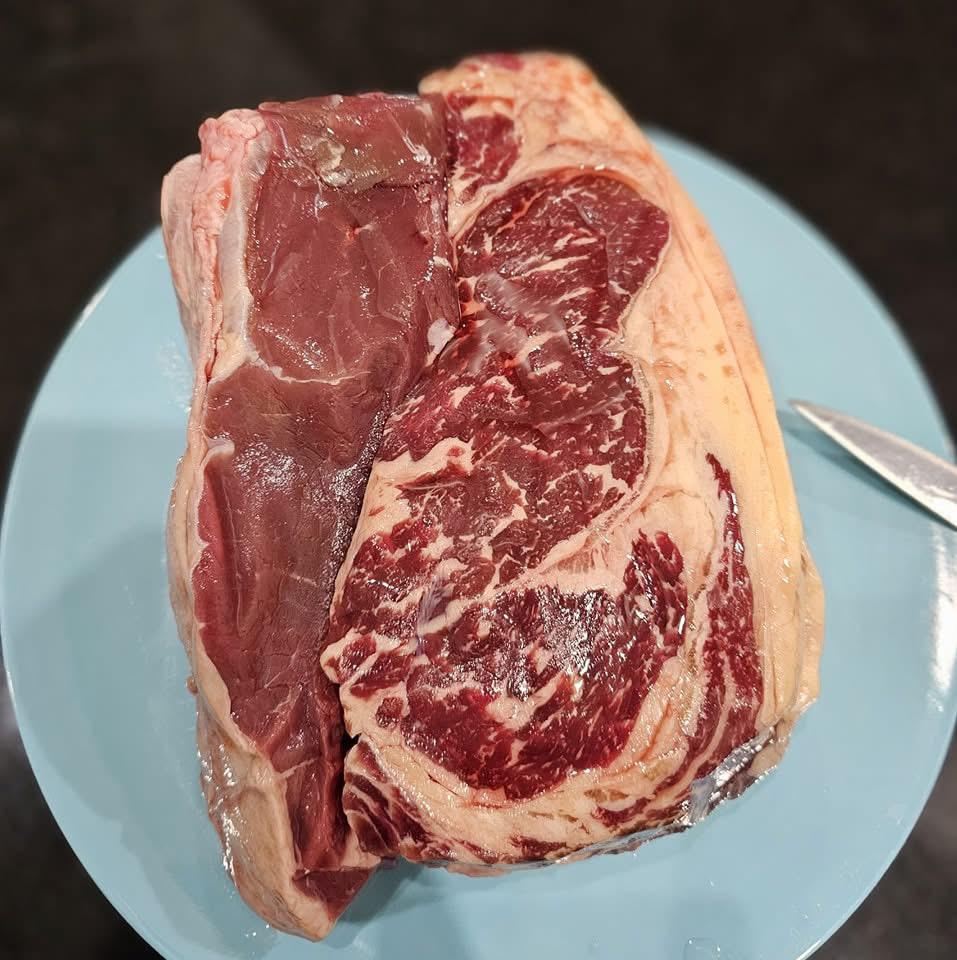
Quality grass fed beef features a deep red colour and fine grain. Proper aging enhances tenderness and flavour. Trusted suppliers maintain cold chain integrity from farm to delivery.
When buyers choose responsibly sourced beef, they support ethical farming and long-term sustainability.
The Growing Global Demand for Australian Beef
International markets increasingly seek premium meat with transparent origins. Australia meets this demand through consistent quality, strong biosecurity, and ethical farming standards.
Export partners value Australia’s strict disease control measures and traceability systems. Grass fed beef appeals especially to markets focused on wellness and sustainability.
This global recognition reinforces Australia’s role as a leading meat producer.
Why Australian Grass Fed Beef Continues to Lead
The success of Australian grass fed beef comes from more than pasture alone. It reflects a balance of nature, science, and stewardship. Farmers respect the land, care for their animals, and invest in quality at every stage.
From nutritional benefits to environmental responsibility, grass fed beef represents the future of ethical meat production. Consumers who choose it invest in better health, stronger communities, and sustainable food systems.
Call to Action: Experience Premium Grass Fed Beef
If you are ready to enjoy authentic Australian grass fed beef, now is the perfect time to connect with a trusted supplier.
📲 WhatsApp or call: +61 485 825 245
🌐 Explore premium products: Purepasturemeats.com
Discover Pure Pasture Meat products, including grass fed and grass finished beef raised with care, transparency, and respect for the land. Elevate your meals with meat that reflects Australia’s finest farming traditions.