
Whole cow butchered Victoria: a smarter way to buy Australian beef
Whole cow butchered Victoria reflects a growing shift in how Australians think about meat. Instead of choosing anonymous cuts from long supply chains, many households and food businesses now prefer a method that prioritises transparency, quality, and respect for local farming. Across Victoria, this approach reconnects people with the land while delivering better value and deeper flavour.
Importantly, this movement does not follow trends. Rather, it revives traditional butchery practices that once defined Australian food culture. As awareness grows, whole-animal purchasing continues to gain trust among consumers who care about ethics, sustainability, and taste.
Victoria’s place in Australia’s beef story
Victoria plays a vital role in Australia’s red meat industry. Thanks to fertile soils and reliable pasture systems, the state produces some of the country’s most consistent grass-fed beef. Consequently, farmers here focus heavily on natural grazing rather than intensive feedlot systems.
Because of these conditions, Victorian beef develops a clean, balanced flavour. Moreover, cattle raised on open pasture experience lower stress, which directly improves meat quality. For this reason, buyers increasingly seek beef that reflects its natural environment.
What whole-animal butchering really means
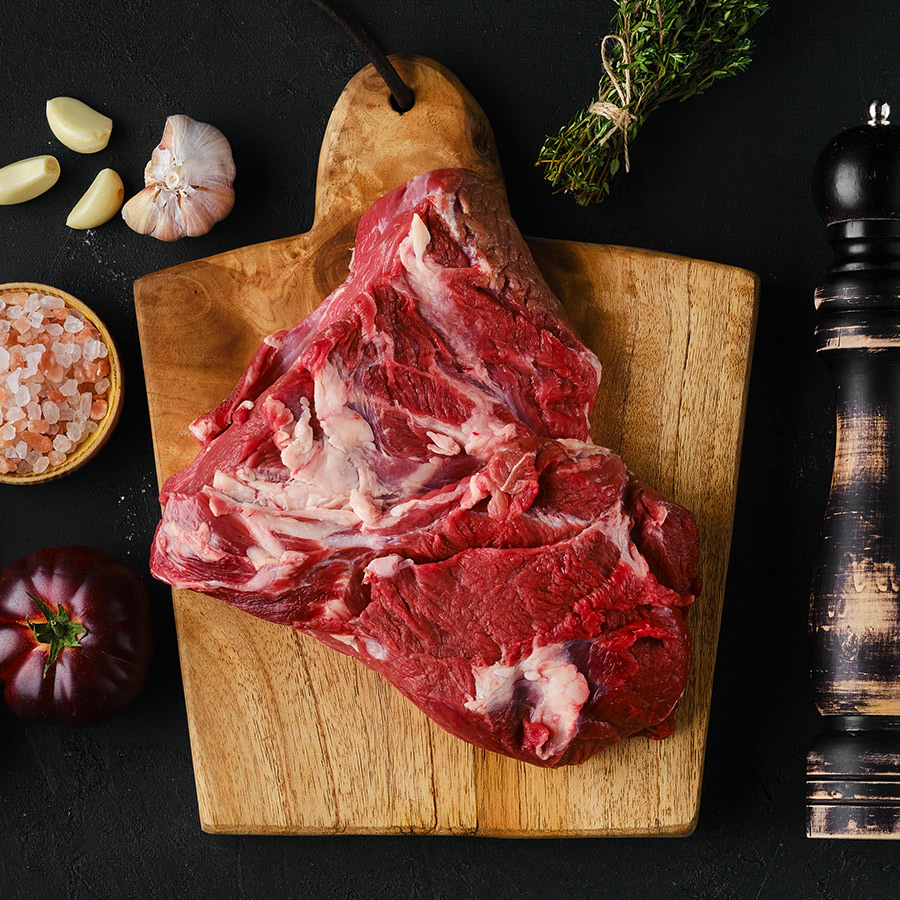
Whole-animal butchering involves processing the entire cow rather than selecting only popular cuts. As a result, every portion serves a purpose. Steaks, roasting joints, slow-cook pieces, bones, and trim all enter the food chain.
This approach demands skill. Therefore, experienced butchers carefully break down each section to maximise yield and usability. In addition, they tailor cuts to suit household cooking styles or commercial kitchens. Ultimately, nothing goes to waste.
Why Australians now care more about sourcing
Over the past decade, Australian consumers have become far more informed. Instead of asking only about price, people now ask how animals lived and what they ate. As awareness rises, trust becomes essential.
Whole-animal purchasing provides clear answers. Buyers often know the farm, the pasture system, and the processing standards. Because of this transparency, confidence at the table increases. Food no longer feels distant or industrial.
Grass-fed and grass-finished beef explained
Grass-fed and grass-finished cattle eat pasture for their entire lives. In Victoria, this system aligns perfectly with the climate. As cattle roam and graze freely, they develop stronger muscle tone and healthier fat composition.
Nutritionally, grass-fed beef offers meaningful benefits. For example, it typically contains higher omega-3 levels and beneficial fatty acids. Additionally, the flavour remains robust without excessive richness. Therefore, many Australians prefer it for everyday meals.
Sustainability benefits of whole-animal purchasing
Food waste remains a global issue. However, whole-animal butchering directly addresses this problem. Instead of discarding lesser-known cuts, every part enters circulation.
As a result, fewer animals feed more people. Furthermore, transport emissions drop because supply chains shorten. In Victoria, where environmental responsibility matters, this method supports land stewardship while protecting natural resources.
Butchery as a skilled Australian craft
Professional butchery involves knowledge passed down through generations. Victorian butchers understand anatomy, aging, and portioning. Consequently, they create cuts that cook evenly and taste better.
Beyond technique, this craft preserves culinary heritage. Traditional Australian recipes rely on cuts like brisket, shin, and blade. Without whole-animal processing, many of these flavours would disappear from modern kitchens.
Cost efficiency without compromise
Although buying a full animal seems expensive at first, the long-term value proves significant. Premium steaks balance with economical slow-cook cuts. Therefore, the average cost per kilogram often drops.
Restaurants benefit greatly from this model. Chefs plan menus around the entire carcass, which encourages creativity. Likewise, families enjoy freezer-ready portions that suit weekly meal planning.
Education through direct food connection
Whole-animal purchasing naturally builds food knowledge. Buyers learn how different muscles behave during cooking. As confidence grows, reliance on processed foods declines.
Parents also appreciate the educational value. Children gain a clearer understanding of where meat comes from. Consequently, meals carry meaning beyond nutrition alone.
Ethical farming and animal welfare in Victoria
Ethical sourcing matters deeply across Victoria. Farmers who raise cattle on pasture invest heavily in animal welfare. Because cattle grow at a natural pace, stress remains minimal.
By supporting whole-animal systems, consumers reward responsible farming. In turn, regional producers stay viable. This cycle strengthens local economies and preserves rural livelihoods.
Storage and practical meal planning
Storage concerns often arise. However, modern freezing methods make whole-animal purchases manageable. Vacuum sealing preserves quality, while proper labelling simplifies organisation.
Many households separate cuts by cooking method. For instance, grilling cuts stay together, while slow-cook pieces group separately. As a result, daily cooking becomes easier, not harder.
Cooking versatility from nose to tail
Few food systems offer such versatility. Quick-sear steaks suit busy nights. Roasts anchor family gatherings. Bones enrich stocks and sauces.
Australian cuisine embraces this diversity. From barbecues to winter stews, every cut has purpose. Therefore, variety replaces repetition at the dinner table.
Victoria’s advantage in pasture-based beef
Victoria’s grazing landscape supports consistent pasture growth. Because rainfall patterns suit grass systems, farmers rely less on supplementary feeding.
This connection between land and flavour matters. Similar to wine terroir, pasture influences taste. As a result, Victorian grass-fed beef carries a unique identity within Australia.
Strengthening local communities
Choosing local whole-animal beef keeps money circulating regionally. Farmers reinvest in land care. Butchers maintain skilled employment. Transport distances shrink.
Moreover, local supply chains improve food security. When disruptions occur, regional systems respond faster. Ultimately, Victoria benefits from stronger resilience.
Health, flavour, and confidence on the plate
Grass-fed beef delivers clean flavour without excess fat. When cooked properly, it shines on its own. Consequently, heavy sauces become unnecessary.
Confidence follows knowledge. Knowing the origin of your meat enhances every meal. Guests notice the difference. Food becomes intentional rather than routine.
A growing Australian movement
Although Victoria leads strongly, this approach resonates nationwide. Australians increasingly reject waste and demand accountability.
By embracing whole-animal beef, Victorian consumers influence national standards. Transparency, sustainability, and animal welfare gain momentum across Australia.
Final thoughts
Whole cow butchered Victoria represents a practical, ethical, and flavour-driven way to buy meat. It respects animals, supports farmers, and delivers real value. For families and food professionals alike, it offers a smarter path toward responsible Australian beef.
Call to Action: Eat better, connect directly
Looking for Pure Pasture Meat products or premium grass-fed and grass-finished beef?
📲 WhatsApp: +61 485 825 245
🌱 Visit Purepasturemeats.com to explore current product campaigns
Choose ethical Australian meat. Support pasture-based farming. Enjoy quality you can trust—every single day.