
Wholesale meat supplier Australia: Understanding the Backbone of the Australian Meat Industry
Wholesale meat supplier Australia plays a central role in how quality meat moves from Australian farms to restaurants, retailers, and households. Behind every premium cut of beef or lamb sits a complex system built on trust, logistics, strict regulation, and deep agricultural knowledge. Australia’s meat industry relies on wholesale suppliers to maintain quality, safety, and consistency at scale.
This article explores how wholesale meat supply works in Australia, why it matters to businesses and consumers, and what sets reliable suppliers apart in one of the world’s most respected meat-producing nations.
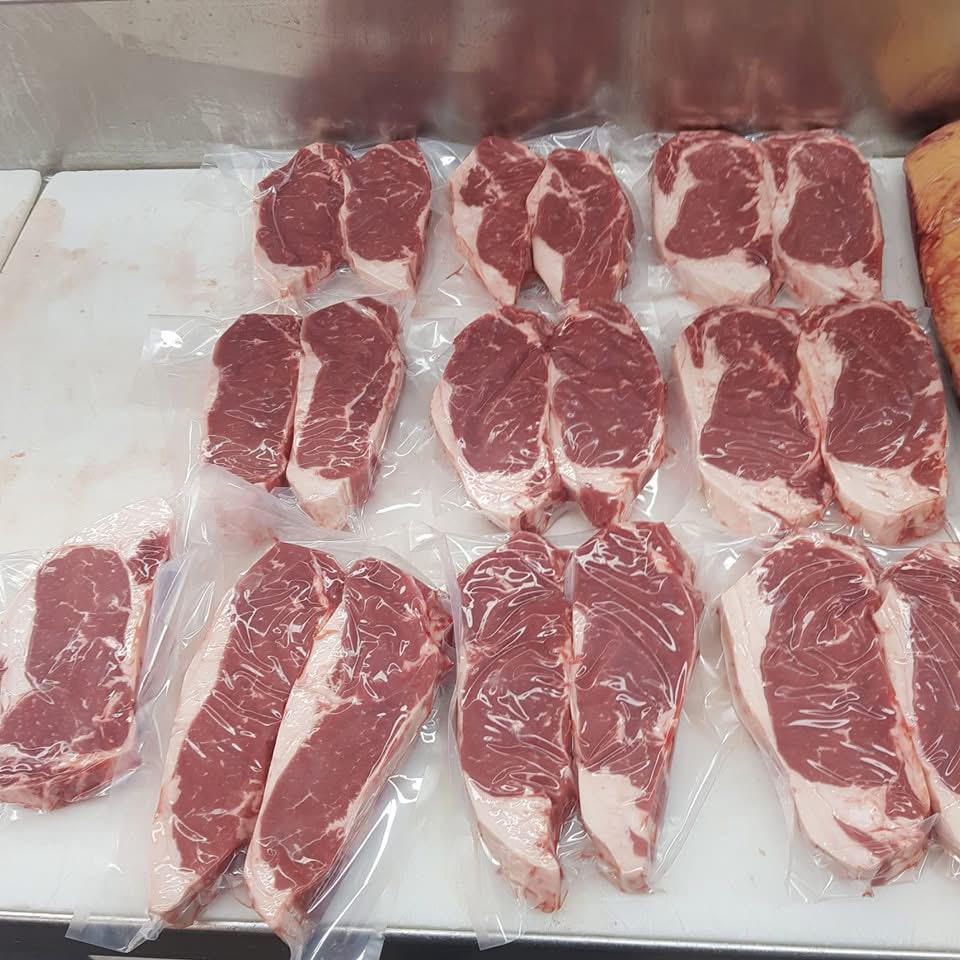
Australia’s Meat Industry at a Glance
Australia ranks among the world’s leading meat producers and exporters. Beef and lamb dominate the sector, supported by vast grazing land, skilled farmers, and strong biosecurity controls. The country supplies both domestic markets and international buyers who demand traceable, ethically produced meat.
Wholesale suppliers sit between producers and end users. They source livestock or processed meat, handle storage and transport, and ensure customers receive consistent products that meet Australian food standards.
Without wholesalers, the meat supply chain would fragment. Farmers would struggle to reach large markets, while buyers would face inconsistent availability and pricing.
The Role of Wholesale Meat Suppliers
Wholesale meat suppliers manage scale. They purchase meat in large volumes, process or portion it when required, and distribute it efficiently. Their customers include:
- Restaurants and hotels
- Supermarkets and butchers
- Catering companies
- Exporters and distributors
Suppliers must balance quality, price, and reliability. They coordinate with farmers, abattoirs, and logistics providers to ensure meat arrives fresh and on time.
In Australia, wholesale suppliers also serve as quality gatekeepers. They verify sourcing, oversee cold-chain handling, and ensure compliance with national regulations.
Why Australia Sets Global Standards for Meat Supply
Australia’s reputation for clean, safe meat does not happen by chance. Government oversight, industry programs, and producer accountability shape every stage of the supply chain.
Strict biosecurity laws protect livestock from disease. The National Livestock Identification System tracks animals from property to processor. This traceability allows quick responses to any safety concern.
Wholesale suppliers operate within this framework. They maintain detailed records, undergo regular audits, and follow food safety plans aligned with HACCP principles. These systems protect both domestic consumers and export markets.
Grass Fed and Grass Finished Beef in Wholesale Supply
Grass fed beef forms a cornerstone of Australia’s wholesale meat market. Many buyers prefer it for its natural production, nutritional profile, and strong consumer appeal.
Grass finished cattle grow entirely on pasture without grain supplementation. This method reflects traditional Australian farming and supports sustainable land use. Wholesale suppliers specializing in grass fed products often work closely with specific farms to maintain consistent quality.
This relationship allows suppliers to offer transparency. Buyers know where the meat comes from and how animals were raised. That trust adds value, especially for premium hospitality and health-focused retailers.
Understanding Quality Control in Wholesale Meat
Quality control defines a reliable wholesale supplier. Australian wholesalers inspect meat at multiple stages, from processing facilities to delivery vehicles.
Temperature control remains critical. Meat must stay within strict temperature ranges to prevent spoilage and bacterial growth. Suppliers invest in refrigerated storage, monitored transport, and trained staff.
Cutting and portioning also affect quality. Skilled butchers ensure consistent sizing, which helps restaurants manage costs and presentation. Proper aging enhances tenderness and flavour, especially for beef.
Wholesale suppliers who prioritise quality build long-term relationships rather than chasing short-term margins.
Sustainability and Ethical Sourcing
Sustainability now shapes buying decisions across the food industry. Australian wholesale meat suppliers respond by sourcing from farms that use responsible grazing practices.
Rotational grazing, soil regeneration, and water conservation support long-term land health. Ethical treatment of animals also remains a key concern. Grass based systems allow cattle to express natural behaviours, which aligns with modern welfare expectations.
Suppliers who promote sustainability help businesses meet consumer demand for responsible food choices. Transparency in sourcing strengthens brand trust.
Supporting Restaurants and Food Service Businesses
Restaurants depend on consistency. A single change in meat quality can affect flavour, customer satisfaction, and reputation. Wholesale suppliers help chefs maintain reliability across menus.
Suppliers often tailor products to client needs. This may include custom cuts, portion sizes, or delivery schedules. Clear communication allows kitchens to plan inventory and reduce waste.
Australian wholesalers also provide market insight. They track seasonal availability, price trends, and consumer preferences. This knowledge helps businesses adapt menus and manage costs effectively.
Wholesale Meat and the Retail Sector
Retailers rely on wholesalers to maintain stocked shelves and consistent quality. Australian consumers expect fresh meat with clear labelling and traceable origins.
Wholesale suppliers coordinate packaging, branding, and compliance. They ensure meat meets retail standards for appearance, weight, and shelf life.
Grass fed and premium meat segments continue to grow in retail. Suppliers who specialise in these categories help retailers differentiate themselves in competitive markets.
Logistics and Cold Chain Management
Australia’s size presents logistical challenges. Meat often travels long distances from farm to processor to customer. Wholesale suppliers manage this complexity through advanced logistics systems.
Cold chain integrity remains essential. Refrigerated trucks, insulated packaging, and real-time temperature monitoring protect product quality. Any break in the cold chain risks spoilage and financial loss.
Reliable suppliers invest in infrastructure and training. They understand that logistics directly affect food safety and customer trust.
Export Markets and Wholesale Supply
Australian meat exports reach Asia, the Middle East, Europe, and North America. Wholesale suppliers play a key role in preparing meat for international markets.
Export compliance involves additional certifications, halal processing where required, and precise documentation. Suppliers work closely with authorities to meet destination country requirements.
Grass fed beef often commands premium pricing overseas. Australian wholesalers who specialise in export-grade meat help position the country as a global leader in quality protein.
Choosing the Right Wholesale Partner
Businesses selecting a meat supplier should look beyond price. Reliability, transparency, and service quality matter just as much.
Key factors to consider include:
- Clear sourcing information
- Consistent product quality
- Strong food safety systems
- Flexible ordering and delivery
- Knowledge of Australian meat standards
Long-term partnerships benefit both sides. Suppliers gain predictable demand, while customers receive stable pricing and dependable service.
The Future of Wholesale Meat in Australia
The wholesale meat sector continues to evolve. Technology improves traceability and logistics efficiency. Consumer demand shifts toward grass fed, natural, and ethically produced meat.
Australian suppliers adapt by strengthening farm relationships and investing in sustainable practices. Education also plays a role, as buyers seek to understand production methods and nutritional differences.
Despite changes, the foundation remains the same: trust, quality, and respect for the land.
Why Wholesale Meat Supply Matters
A strong wholesale system keeps Australia’s meat industry competitive and resilient. It connects farmers to markets, supports rural communities, and delivers safe food to millions of people.
The success of Wholesale meat supplier Australia reflects decades of collaboration between producers, processors, and distributors. This network ensures Australian meat maintains its global reputation for excellence.
Call to Action: Source Premium Grass Fed Meat with Confidence
If you are searching for a trusted supplier of high-quality Australian meat, now is the time to partner with experts who value transparency and care.
📲 WhatsApp or call: +61 485 825 245
🌐 Visit: https://Purepasturemeats.com
Explore Pure Pasture Meat products, including grass fed and grass finished beef raised on open pastures and handled with precision. Choose meat that reflects Australia’s farming heritage and modern quality standards.