
Grass Fed Meat and Australia’s Longstanding Pasture Heritage
Grass fed meat represents more than a food choice in Australia; rather, it reflects a deep connection between land, livestock, and farming tradition. From the vast rangelands of Queensland to the temperate pastures of Victoria and Tasmania, Australian farmers have relied on natural grazing systems for generations. As a result, pasture-based livestock production has become a defining feature of the country’s meat industry.
Importantly, Australia’s geography plays a major role in this approach. Because the country offers wide open spaces, clean air, and abundant grasslands, farmers can raise animals in low-stress environments. Consequently, this natural advantage supports both animal welfare and consistent meat quality.
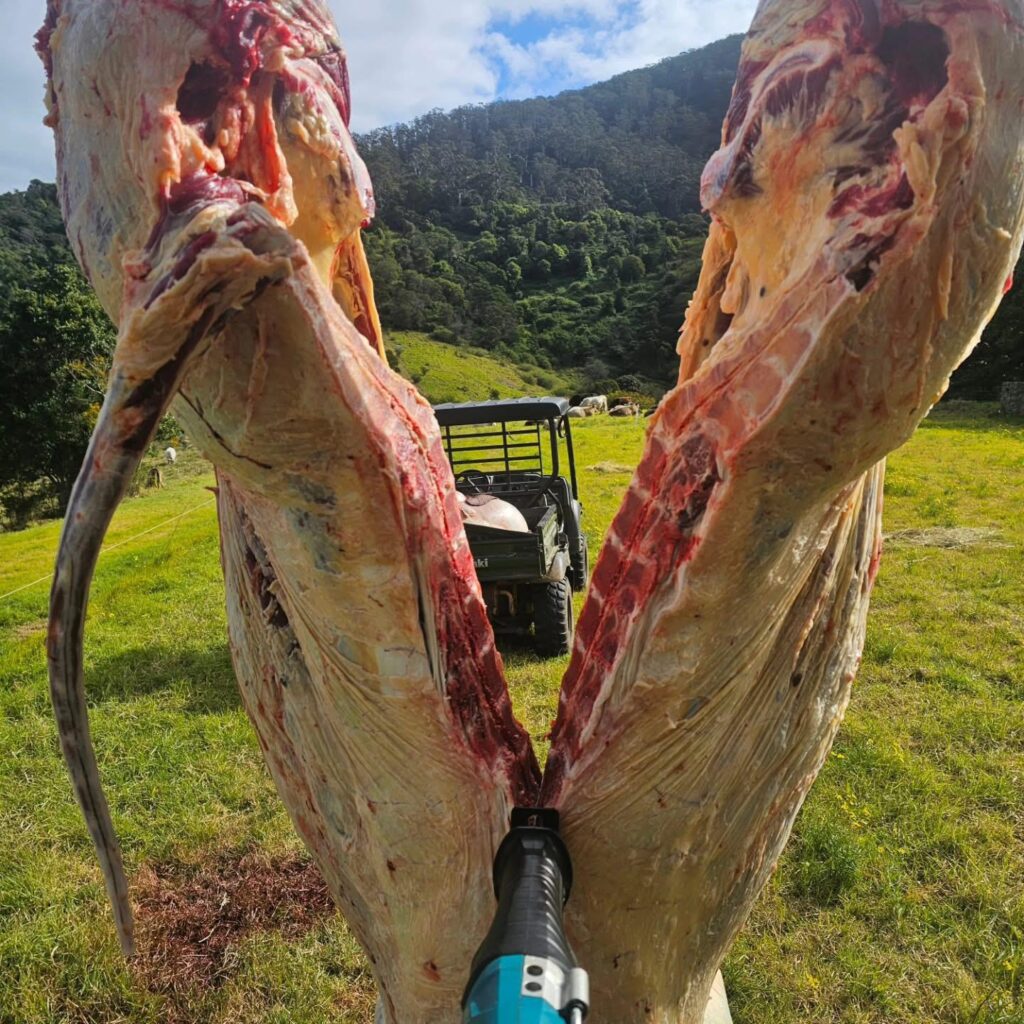
Why Australia Is Naturally Suited to Pasture-Based Farming
Australia’s climate varies across regions; however, many areas support year-round or seasonal grazing. For this reason, farmers can rotate animals across paddocks instead of relying on confined feeding systems. In turn, this method allows grasses to recover and soils to remain productive.
Moreover, rotational grazing improves pasture resilience. When livestock move regularly, grasses regrow more evenly, water absorption improves, and erosion decreases. As a result, farms remain viable for decades rather than seasons.
At the same time, Australia enforces strict livestock regulations. These rules cover animal health, traceability, and biosecurity. Therefore, consumers benefit from reliable standards that protect both food safety and farming integrity.
Understanding Pasture-Raised Meat in the Australian Context
In Australia, most cattle begin life on open pasture. While some systems introduce supplementary feed during drought conditions, many producers commit fully to pasture finishing. Consequently, animals consume grasses, legumes, and forage crops throughout their lives.
Typically, these diets include:
- Native grass varieties
- Improved pasture grasses
- Clover and natural legumes
Because nutrition affects muscle development, pasture diets influence texture and flavor. Furthermore, different regions create subtle taste variations based on soil composition and forage types.
For that reason, transparent suppliers clearly explain how animals were raised. When buyers understand these differences, they can make informed purchasing decisions with confidence.
Nutritional Characteristics Consumers Value
Many Australians choose pasture-raised options for nutritional balance. While meat should always be eaten in moderation, pasture diets influence fat composition in meaningful ways.
For example, pasture-raised cuts often contain:
- Higher omega-3 fatty acids
- Improved omega-6 to omega-3 ratios
- Increased levels of CLA
- Naturally occurring minerals
Therefore, when included as part of a balanced diet, these meats can support overall nutrition. Additionally, Australians often pair quality cuts with vegetables, whole grains, and seasonal produce, which further enhances dietary balance.
Flavor Differences That Matter
Flavor plays a major role in consumer choice. Not surprisingly, chefs across Australia frequently prefer pasture-raised cuts. Because animals develop muscle through natural movement, the resulting meat offers depth and character.
Typically, diners notice:
- A clean, natural beef flavor
- Leaner cuts with firm structure
- Subtle regional flavor notes
However, because these cuts contain less intramuscular fat, cooking technique becomes essential. Therefore, chefs recommend precise temperature control, proper resting, and gentle handling to preserve tenderness.
Cooking Techniques for Best Results
To achieve the best outcome, preparation matters just as much as quality. First, allow meat to reach room temperature before cooking. Next, season lightly so natural flavors remain prominent.
Meanwhile, cooking methods should match the cut:
- Quick searing for premium steaks
- Slow braising for tougher cuts
- Gentle roasting for joints
Finally, resting meat after cooking allows juices to redistribute. As a result, each slice remains moist and flavorful.
Animal Welfare as a Core Principle
Animal welfare remains central to pasture-based farming in Australia. Because animals live outdoors, they can graze, walk, and socialize naturally. Consequently, stress levels stay lower than in confined systems.
Key welfare practices include:
- Low stocking densities
- Constant access to clean water
- Shade and shelter
- Calm handling during transport
As a result, healthier animals produce better meat. At the same time, consumers gain peace of mind knowing their food aligns with ethical standards.
Environmental Considerations and Responsible Grazing
Although all food systems affect the environment, well-managed grazing can offer measurable benefits. When farmers plan stocking rates carefully, pasture systems support long-term land health.
For instance:
- Soil structure improves over time
- Carbon retention increases
- Native grasses regenerate
- Feed imports decrease
Therefore, responsible grazing contributes to sustainability rather than depletion. Increasingly, Australian producers adopt regenerative practices that protect land while maintaining productivity.
Australia’s Reputation in Global Markets
Australia exports premium meat worldwide. Because of strong regulations and pasture-based systems, international buyers trust Australian products. Consequently, demand remains steady in high-value markets.
Additionally, exports support rural economies. Jobs across farming, processing, logistics, and retail depend on a strong livestock sector. Thus, choosing Australian meat also supports regional communities.
How to Choose Quality Products with Confidence
Selecting quality meat does not require expert knowledge. Instead, a few simple steps help guide buyers:
- Ask suppliers about feeding practices
- Look for traceability and origin details
- Check color, texture, and freshness
- Buy from specialized, transparent sellers
By following these steps, consumers avoid confusion and focus on quality rather than marketing language.
The Role of Education in Consumer Choice
As interest in pasture-raised products grows, education becomes essential. When consumers understand production methods, they shop with purpose. Moreover, informed buyers encourage transparency across the supply chain.
Over time, this awareness pushes the industry toward higher standards. Therefore, education benefits both producers and consumers alike.
The Future of Pasture-Based Meat in Australia
Looking ahead, innovation continues across the livestock sector. Farmers test new pasture blends, improve grazing schedules, and adopt digital monitoring tools. As a result, productivity and sustainability improve together.
Meanwhile, consumer demand for transparency continues to rise. Because of this shift, producers who invest in ethical systems remain well positioned for long-term success.
Conclusion
Australia’s pasture-based livestock systems reflect a balance between tradition and modern responsibility. Through careful land management, ethical animal care, and transparent supply chains, producers deliver consistent quality. Ultimately, these values shape a meat industry grounded in trust, flavor, and sustainability.
Call to Action
If you are looking for premium Australian cuts raised with care, explore our latest product campaign at Purepasturemeats.com. For bulk orders, wholesale inquiries, or detailed product information, contact Pure Pasture Meat today:
- WhatsApp: +61 485 825 245
- Email: sales@purepasturemeats.com
Experience the difference with grass fed meat and grass-finished selections from Pure Pasture Meat—where quality begins on the pasture.