
Is It Cheaper to Buy Half a Cow? A Practical Guide for Australian Meat Buyers
Is it cheaper to buy half a cow than purchasing beef from supermarkets and butcher shops in Australia? With food prices continuing to rise, many households now look for smarter ways to save money without giving up quality. Buying beef in bulk directly from farmers has become a popular option for families who value freshness, nutrition, and long-term value.
This guide explains how buying half a cow works, how much it costs, what you receive, and whether it suits your lifestyle. You will also learn why grass-fed Australian beef offers excellent value for money.
Quick Answer: Is Buying Half a Cow Cheaper
For most Australian households, buying half a cow is usually cheaper than shopping weekly at supermarkets.
When you purchase in bulk, you often pay between $10 and $16 per kilogram, including processing. In comparison, retail beef commonly costs $22 to $40 per kilogram, depending on the cut.
This means many families save 30% to 50% over time. The more beef you consume, the greater your savings become.
What Does Buying Half a Cow Mean?
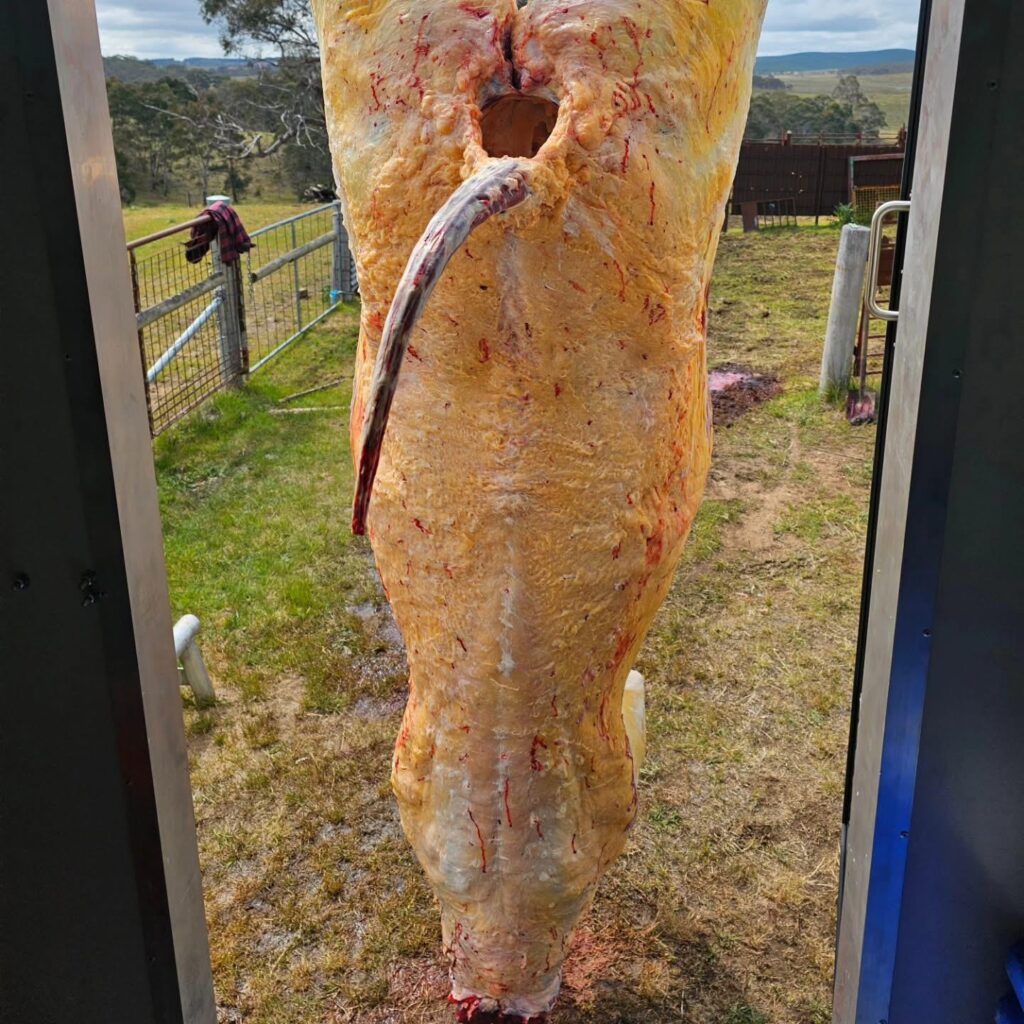
Buying half a cow means purchasing one side of a processed animal directly from a farmer or meat supplier. After slaughter, a professional butcher divides the meat into portions and prepares it for freezing.
A typical order includes:
- Premium steaks such as ribeye, sirloin, and rump
- Mince for everyday meals
- Roasts for slow cooking
- Brisket, ribs, and stewing cuts
- Soup bones and specialty cuts
Instead of choosing individual items, you receive a balanced mix of cuts. This approach provides variety and ensures fair pricing across the entire animal.
How Much Meat Do You Receive?
A half cow usually provides 90 to 120 kilograms of packaged beef, depending on the animal’s size and trimming style.
On average, you can expect:
- 25–30% steaks
- 30–35% mince
- 25–30% roasts and slow-cook cuts
- 10–15% bones and specialty items
This quantity can supply a family for six months to one year, depending on consumption habits.
Comparing Costs: Bulk vs Supermarket Beef
Understanding the cost difference helps you make an informed decision.
Typical Retail Prices in Australia
Supermarket and butcher prices often look like this:
- Ribeye steak: $45–$60 per kg
- Sirloin: $35–$45 per kg
- Mince: $12–$18 per kg
- Roasts: $20–$30 per kg
When averaged, most households pay around $25 to $35 per kilogram.
Bulk Purchase Pricing
Buying half a cow usually costs:
- $1,500 to $2,500 upfront
- Including slaughter and processing fees
When divided by total weight, this equals $10 to $16 per kilogram.
Over a year, this difference can save hundreds or even thousands of dollars.
Why Buying in Bulk Offers Better Value
Several factors make bulk purchasing more affordable.
Fewer Middlemen
When you buy directly from farmers, you avoid distributor and retailer mark-ups. You pay mainly for production and processing.
Whole-Animal Pricing
Retailers focus on popular cuts and charge extra to cover slower-selling parts. With bulk buying, every cut receives fair pricing.
Price Stability
You lock in one price for months. This protects you from seasonal increases and supply shortages.
Premium Quality at Lower Cost
Grass-fed and grass-finished beef often costs more in stores. Bulk buying gives you this quality at a reduced rate.
The Value of Grass-Fed Australian Beef
Australia is known worldwide for pasture-based cattle farming. Many producers raise cattle entirely on natural grass.
Health Benefits
Grass-fed beef contains:
- Higher omega-3 fats
- More antioxidants
- Better vitamin content
- Balanced mineral levels
Taste and Texture
Natural grazing creates a rich, clean flavour that reflects high-quality pasture.
Environmental Benefits
Pasture farming supports:
- Soil health
- Reduced chemical use
- Biodiversity
- Sustainable land management
Choosing grass-fed beef supports ethical and responsible agriculture.
Storage and Freezer Requirements
Before buying in bulk, consider storage space.
A half cow requires approximately 300 to 400 litres of freezer capacity, similar to a medium chest freezer.
Practical Storage Tips
- Maintain -18°C or lower
- Label packages clearly
- Rotate older stock first
- Avoid refreezing thawed meat
With proper storage, frozen beef stays fresh for up to 18 months.
Who Benefits Most from Buying Half a Cow?
This option suits several types of buyers.
Families
Larger households benefit the most from long-term savings.
Health-Conscious Consumers
People who prefer hormone-free, grass-fed meat gain better control over food quality.
Home Cooks
Those who enjoy preparing different cuts appreciate the variety.
Small Food Businesses
Cafés and caterers often use bulk meat to reduce operating costs.
Challenges to Consider
While bulk buying offers many advantages, it also requires planning.
Upfront Investment
Paying $1,500 or more at once may feel challenging for some buyers.
Limited Customisation
You receive mixed cuts rather than selecting only premium steaks.
Dependence on Freezers
Power failures or equipment issues can cause losses.
Meal Planning
You need to adjust meals based on available cuts.
With preparation, most families manage these challenges easily.
Choosing the Right Meat Supplier in Australia
Not all suppliers offer the same standards. Look for providers that offer:
- Clear information about sourcing
- Ethical animal treatment
- Professional processing
- Transparent pricing
- Positive customer reviews
Reliable suppliers like Pure Pasture Meats focus on quality, honesty, and customer satisfaction.
Making the Most of Your Bulk Beef
Learning to use every cut improves value.
Smart Cooking Methods
- Slow-cook tougher cuts
- Batch-cook meals
- Prepare homemade burgers
- Make nutrient-rich bone broth
These techniques reduce waste and improve nutrition.
Long-Term Value and Lifestyle Benefits
Over several years, buying half a cow provides more than financial savings.
You gain:
- Stable food costs
- Better meal planning
- Reduced impulse spending
- Less packaging waste
- Stronger connection to food sources
This approach supports healthy, sustainable living.
Final Thoughts
Is it cheaper to buy half a cow? For most Australians with freezer space and regular meat consumption, the answer is yes.
You receive high-quality grass-fed beef, enjoy long-term savings, and support ethical farming. With proper planning, bulk buying becomes a smart investment in both health and finances.
📞 Call to Action: Order Premium Grass-Fed Beef Today
Looking for trusted Australian grass-fed and grass-finished meat?
Choose Pure Pasture Meats for premium quality, ethical sourcing, and reliable service.
📱 WhatsApp: +61 485 825 245
🌐 Website: Purepasturemeats.com
📧 Email: sales@purepasturemeats.com
Contact us today to order half a cow, bulk packages, or custom meat boxes and enjoy real pasture-raised Australian beef delivered to your home.