
Is Australian Wagyu beef good? A Deep Look at Quality, Taste, and Australian Standards
Is Australian Wagyu beef good? This question often comes from chefs, meat lovers, and global buyers searching for premium beef that delivers both flavor and consistency. Australia has earned a strong reputation in the global meat industry, and Wagyu beef stands at the top of that success. But what truly makes Australian Wagyu special, and does it live up to its premium status?
This article explores the origins, production methods, taste, nutrition, and sustainability of Australian Wagyu beef. By the end, you will understand why it has become a trusted choice in fine dining and premium meat markets worldwide.
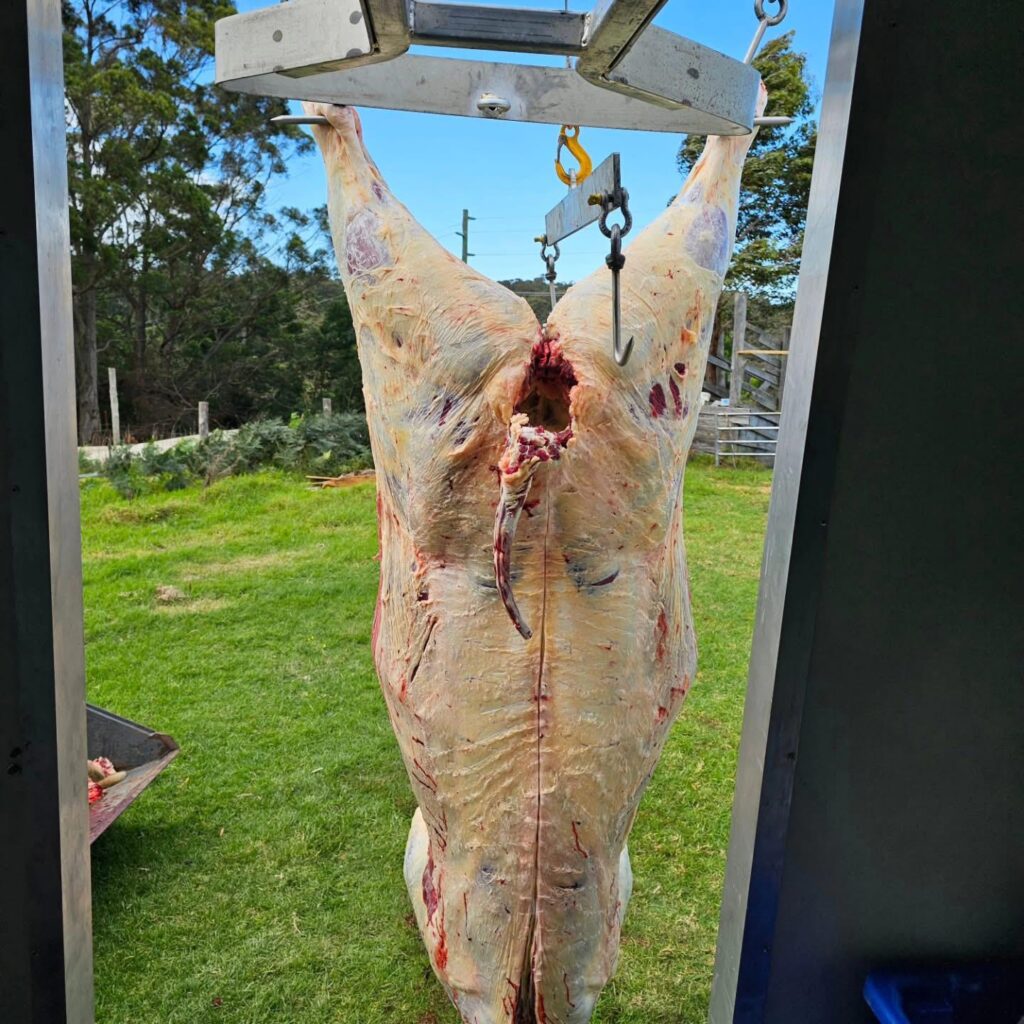
Understanding Wagyu Beef: More Than Just Marbling
Wagyu means “Japanese cow,” and the breed became famous for its intense marbling and rich flavor. Authentic Wagyu genetics produce beef with finely distributed fat that melts at low temperatures. This creates a tender texture and deep taste that few other beef types can match.
Australia began developing its Wagyu industry in the early 1990s by importing full-blood Japanese Wagyu genetics. Since then, Australian farmers have refined breeding programs and production systems to suit local conditions while preserving Wagyu’s defining qualities.
Unlike mass-produced beef, Wagyu requires patience, precision, and expertise. Australian producers invest years into raising each animal, focusing on welfare, nutrition, and genetics rather than speed.
Why Australia Became a Global Leader in Wagyu Production
Australia offers ideal conditions for premium cattle farming. Large open pastures, clean water, advanced biosecurity, and strict food safety regulations create a perfect environment for raising high-quality beef.
Australian Wagyu producers benefit from:
- Advanced livestock traceability systems
- Strong animal welfare laws
- Clean, disease-free farming regions
- Expertise in grass-fed and grain-fed programs
These factors help ensure consistent quality across domestic and export markets. Buyers know they receive beef that meets strict standards every time.
Grass-Fed vs Grain-Fed Australian Wagyu
One reason Australian Wagyu appeals to a wide audience is the variety of feeding programs available.
Grass-Fed Wagyu
Grass-fed Wagyu grows on natural pastures. This method produces beef with a cleaner, more mineral-forward flavor. Grass-fed Wagyu often contains higher levels of omega-3 fatty acids and suits health-conscious consumers who prefer a natural diet.
Grain-Fed Wagyu
Grain-fed Wagyu develops deeper marbling due to controlled feeding during finishing. Australian grain-fed programs focus on balanced nutrition rather than excessive fat. This approach creates a buttery texture while maintaining structure and depth of flavor.
Both systems follow strict quality controls, and neither sacrifices animal welfare for results.
Taste and Texture: What Sets Australian Wagyu Apart
Australian Wagyu delivers a balance that many consumers appreciate. It offers rich marbling without overwhelming heaviness. The fat melts smoothly during cooking, coating the palate rather than sitting heavily on it.
Key characteristics include:
- Tender bite without falling apart
- Juicy mouthfeel
- Clean, rich beef flavor
- Balanced fat distribution
Chefs value Australian Wagyu because it performs well across multiple cooking styles. It works beautifully for grilling, pan-searing, roasting, and even slow cooking when handled properly.
Nutritional Profile: Premium Taste with Smart Nutrition
Despite its marbling, Wagyu fat differs from standard beef fat. It contains a higher ratio of monounsaturated fats, which support heart health when consumed in moderation.
Australian Wagyu also provides:
- High-quality protein
- Essential amino acids
- Iron and zinc for energy and immunity
- B vitamins that support metabolism
Grass-fed and grass-finished Wagyu offers additional nutritional benefits due to pasture-based diets. Many buyers choose it for both flavor and wellness reasons.
Australian Meat Standards and Traceability
Australia operates one of the most transparent meat systems in the world. Every animal receives traceable identification, allowing producers and buyers to track origin, feeding history, and processing details.
This system protects:
- Food safety
- Ethical sourcing
- Export credibility
Australian Wagyu suppliers must meet both national and international standards, making the beef suitable for premium restaurants, hotels, and specialty retailers worldwide.
Sustainability and Ethical Farming Practices
Modern Australian Wagyu production emphasizes long-term sustainability. Farmers use rotational grazing, water conservation, and low-stress handling techniques to protect land and livestock.
Grass-fed and grass-finished programs reduce reliance on intensive feeding systems and support natural ecosystems. These practices also align with consumer demand for ethically sourced meat.
Australian producers understand that premium beef depends on healthy animals and healthy land. That philosophy drives the industry forward.
How Australian Wagyu Compares to Japanese Wagyu
Japanese Wagyu remains rare and expensive due to strict export limitations. Australian Wagyu offers a more accessible alternative without sacrificing quality.
While Japanese Wagyu often features extremely high fat levels, Australian Wagyu balances marbling with meat structure. Many chefs prefer this balance because it enhances versatility and portion control.
Australian Wagyu also benefits from:
- Reliable supply
- Consistent grading
- Broader cut availability
These factors make it a practical choice for both fine dining and premium retail.
Why Global Buyers Trust Australian Wagyu
International buyers value consistency as much as flavor. Australian Wagyu delivers predictable quality across shipments and seasons.
Export partners trust Australia because of:
- Strong cold-chain logistics
- Transparent documentation
- Proven export experience
This reliability supports long-term partnerships and repeat business in global markets.
Choosing the Right Australian Wagyu Supplier
Not all Wagyu comes from the same source. Buyers should look for suppliers who emphasize:
- Grass-fed or grass-finished options
- Ethical farming practices
- Clear product descriptions
- Transparent sourcing
Companies that focus on pasture-raised meat often deliver better flavor and stronger brand trust.
The Role of Grass-Fed and Grass-Finished Beef in Premium Markets
Grass-fed and grass-finished beef continues to grow in popularity. Consumers increasingly want meat raised without shortcuts, hormones, or unnecessary additives.
Australian producers respond by offering premium pasture-raised Wagyu that reflects both tradition and innovation. This approach supports clean eating trends while maintaining excellent taste.
Final Thoughts on Australian Wagyu Beef Quality
Australian Wagyu stands as a symbol of quality, expertise, and responsible farming. It blends Japanese genetics with Australian land, knowledge, and integrity. The result is beef that satisfies chefs, consumers, and global buyers alike.
From flavor and nutrition to traceability and sustainability, Australian Wagyu continues to earn its place among the world’s finest meats.
Call to Action: Experience Premium Grass-Fed Excellence
If you are searching for authentic grass-fed and grass-finished Australian beef, now is the perfect time to explore trusted suppliers.
📲 WhatsApp or Call: +61 485 825 245
🌐 Visit: Purepasturemeats.com
Discover Pure Pasture Meat products, crafted with care from grass-fed and grass-finished cattle raised to the highest Australian standards. Choose quality, choose transparency, and choose beef that delivers real value on every plate.