
Side of beef price Australia is one of the most searched topics among buyers who want better value, better quality, and a clearer understanding of where their meat comes from. Across the country, families, chefs, and small food businesses now look beyond supermarket pricing and ask a smarter question: what actually influences the cost of buying beef in bulk, and is it worth it?
This guide explains pricing in plain language. It focuses on Australian meat systems, pasture-based farming, and practical decision-making so the information feels useful rather than promotional.
What buying a side of beef really means
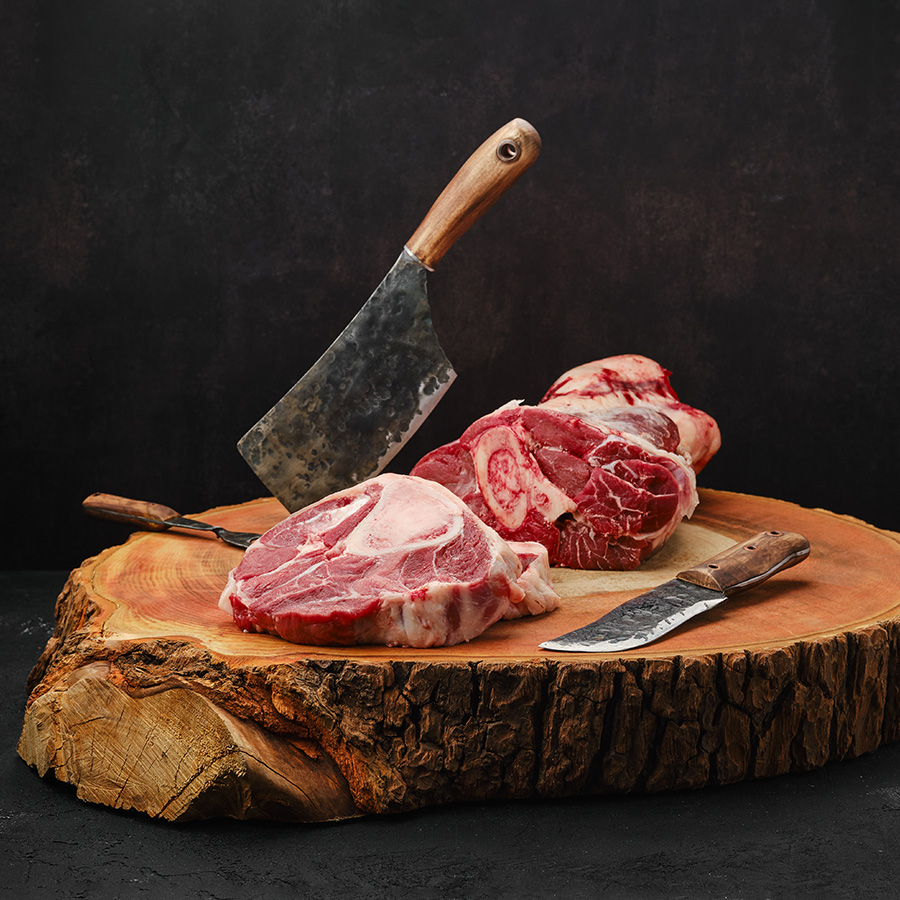
A side of beef refers to half of a cow, processed and portioned by a professional butcher. Instead of purchasing individual cuts over time, buyers receive a balanced selection that includes steaks, roasts, mince, slow-cook cuts, and bones.
In Australia, this method follows long-standing agricultural traditions. Historically, families bought meat in bulk because it reduced waste and lowered costs. Today, the same logic applies, although buyers also value transparency, animal welfare, and flavour.
Why Australians are paying closer attention to beef pricing
Food costs continue to rise nationwide. As a result, many households now look for ways to stabilise grocery spending without sacrificing quality. Bulk beef purchasing offers one possible solution.
At the same time, Australians care more about sourcing. People want to know how cattle were raised and what they ate. Therefore, price alone no longer drives decisions. Instead, value, ethics, and nutrition all matter.
Key factors that influence beef pricing in Australia
Several elements determine the final cost of bulk beef. Understanding these factors helps buyers make informed comparisons rather than relying on headline numbers.
Farming system and feed type
Grass-fed and grass-finished cattle typically cost more to raise. Farmers rely on pasture growth, seasonal rainfall, and longer finishing times. However, this system produces beef with clean flavour and strong nutritional appeal.
Grain-fed cattle reach market weight faster. As a result, production costs drop. However, many buyers prefer pasture-raised meat for ethical and health reasons, even when it costs more.
Breed and animal size
Different cattle breeds mature at different weights. Larger animals yield more meat, which can lower the price per kilogram. Meanwhile, heritage or premium breeds may command higher prices due to flavour and texture.
Processing and butchery standards
Professional butchery adds value. Skilled cutters maximise usable meat and prepare portions correctly. Although this service increases upfront cost, it improves long-term value by reducing waste.
Aging and handling
Dry-aged or carefully rested beef improves tenderness and flavour. However, aging requires time, space, and expertise. Consequently, it affects final pricing.
How pricing compares to supermarket beef
Supermarket beef appears cheaper at first glance. However, that comparison often ignores hidden costs. Individual cuts include retail margins, packaging expenses, and distribution overheads.
Bulk purchasing spreads these costs across the entire animal. Therefore, the average price per kilogram often drops. In addition, buyers receive premium cuts that would otherwise cost significantly more at retail.
Understanding yield and usable meat
Not all weight converts directly into take-home meat. Bones, fat trim, and moisture loss reduce final yield. On average, a side of beef provides around 60–65% usable meat after processing.
Experienced butchers explain this clearly before purchase. Transparency builds trust and helps buyers plan storage and meals accurately.
Storage considerations for Australian households
Storage often raises concerns. However, modern freezing solutions make bulk meat practical. Chest freezers offer excellent efficiency and long-term reliability.
Vacuum sealing further protects quality. When stored correctly, beef maintains flavour and texture for many months. As a result, buyers gain flexibility rather than pressure to consume quickly.
Meal planning advantages of buying in bulk
Bulk beef purchasing encourages thoughtful meal planning. Instead of choosing meals at the last minute, households work with what they have on hand.
Steaks suit quick dinners. Roasts anchor family gatherings. Slow-cook cuts create nourishing meals during cooler months. Consequently, food variety improves while takeaway spending declines.
Nutritional benefits of pasture-raised beef
Grass-fed beef aligns well with Australian dietary preferences. It typically contains higher omega-3 levels and beneficial fatty acids. In addition, it avoids the heavy marbling associated with grain finishing.
Many families choose pasture-raised beef for everyday eating. The flavour remains clean, and portion sizes feel satisfying without excess richness.
Ethical and environmental considerations
Ethical sourcing plays a growing role in purchasing decisions. Pasture-based systems allow cattle to move freely and graze naturally. This approach reduces stress and supports animal welfare.
Environmentally, bulk purchasing reduces packaging waste and transport frequency. Therefore, buyers lower their overall footprint while supporting local producers.
Supporting Australian farmers and regional economies
When consumers buy directly from local meat suppliers, money stays closer to the source. Farmers reinvest in land care, fencing, and pasture management.
Butchers maintain skilled employment in regional areas. Meanwhile, shorter supply chains strengthen food security. These benefits extend far beyond individual households.
Comparing grass-fed and grass-finished options
Grass-fed simply means cattle eat grass for part of their lives. Grass-finished means pasture remains their sole diet until processing.
Grass-finished beef often carries a stronger connection to land and season. Although it may cost more, many buyers value its consistency and ethical alignment.
Is bulk beef right for everyone?
Bulk purchasing suits families with freezer space and regular cooking habits. It also works well for food businesses that value consistency.
However, it may not suit households with limited storage or unpredictable eating patterns. In those cases, smaller bulk options or mixed packs provide a flexible alternative.
Making sense of long-term value
Rather than focusing on upfront cost, experienced buyers assess long-term outcomes. They consider meal savings, reduced waste, and improved quality.
Over time, many find that bulk beef stabilises food budgets. It also reduces reliance on processed foods and impulse purchases.
Australian meat culture and bulk buying
Australia’s meat culture values quality and simplicity. Barbecues, roasts, and slow-cooked meals remain central to social life.
Bulk purchasing supports this culture by making premium beef accessible. It encourages cooking skills and honours traditional eating patterns.
Transparency builds confidence
Clear communication matters. Reputable suppliers explain pricing, yield, and cut breakdowns upfront.
This openness builds trust. Buyers feel confident because they understand exactly what they receive.
The role of education in better food choices
Bulk beef purchasing naturally educates consumers. People learn about cuts, cooking methods, and seasonal eating.
As knowledge grows, appreciation follows. Food becomes more intentional and less transactional.
How Australian buyers are reshaping the market
Consumer demand shapes supply. As more Australians choose bulk, pasture-raised beef, producers adapt.
This shift encourages higher welfare standards and more sustainable farming models nationwide.
Bringing it all together
Side of beef price Australia reflects far more than a number. It represents farming practices, butchery skill, animal welfare, and long-term value. For buyers who care about quality, ethics, and budget stability, bulk beef offers a compelling option grounded in Australian tradition.
Call to Action: Take the next step with confidence
If you are looking for Pure Pasture Meat products or premium grass-fed and grass-finished beef, now is the perfect time to explore your options.
📲 WhatsApp: +61 485 825 245
🌱 Visit Purepasturemeats.com to view current product campaigns
Support Australian farmers, invest in better meat, and enjoy quality that lasts well beyond a single meal.