
Whole cow butchered Sydney: a practical guide to sourcing premium Australian beef
Whole cow butchered Sydney has become a popular option for households, chefs, and food-conscious buyers who want complete control over quality, sourcing, and value. Rather than purchasing individual cuts week by week, many Australians now choose to buy an entire animal that has been professionally processed to their preferences.
This approach connects buyers directly to the source of their food, offers long-term savings, and ensures consistent access to grass-fed, ethically raised beef. This guide explains how whole-animal purchasing works, why it suits Australian conditions, and what to expect from farm to freezer.
Why Australians are choosing whole-animal beef purchases
Food awareness continues to grow across Australia. Shoppers want to know where their meat comes from, how animals live, and what they eat. Buying a whole animal answers these questions clearly.
When you purchase an entire cow, you gain:
- Transparency in sourcing
- Consistent meat quality
- Customised butchering options
- Better cost control over time
- Reduced reliance on supermarkets
This method also aligns with traditional Australian farming values, where respect for livestock and land comes first.
Australia’s cattle industry and natural advantage
Australia produces some of the world’s finest beef due to climate, space, and farming expertise. Vast grazing land allows cattle to roam freely and feed on diverse pasture grasses for most of the year.
Grass-based systems dominate Australian beef production, especially in regions with strong rainfall patterns. These conditions support healthier animals and reduce dependence on grain-heavy finishing systems.
Sydney buyers benefit from access to regional farms that maintain high animal welfare standards while supplying premium meat to urban markets.
What happens when a whole cow is butchered
Whole-animal butchering involves professional processing under strict food safety standards. Licensed facilities handle slaughter, aging, cutting, and packaging.
The process typically includes:
- Humane handling and processing
- Dry or wet aging for flavor development
- Custom cut selection
- Vacuum sealing for freshness
- Clear labeling for storage
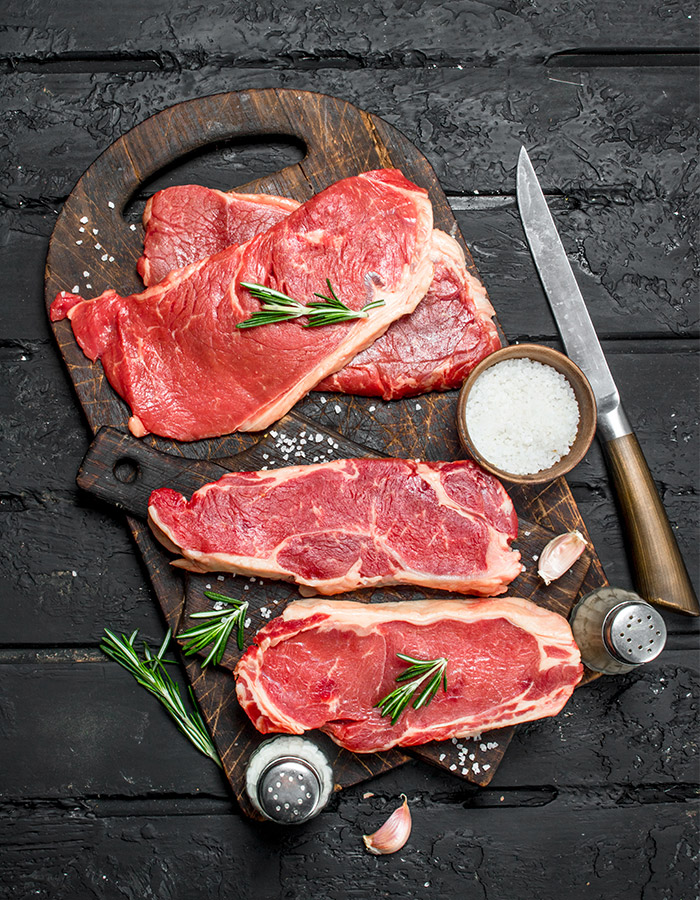
Buyers often choose how thick steaks are cut, how much mince they receive, and which roasts they prefer.
Understanding yield and meat breakdown
A full cow does not translate into equal portions of every cut. Understanding yield helps buyers plan storage and meals.
A typical breakdown includes:
- Steaks (ribeye, sirloin, rump, T-bone)
- Roasts (brisket, topside, silverside)
- Minced beef
- Slow-cook cuts (shank, chuck, blade)
- Soup bones and offal (optional)
This variety encourages balanced cooking habits and reduces food waste.
Cost efficiency over time
While upfront costs appear higher, whole-animal purchasing usually lowers the average price per kilogram. Buyers avoid retail markups and lock in supply at a stable rate.
Savings increase when families:
- Cook at home more often
- Freeze and plan meals
- Use slow-cook cuts efficiently
- Reduce impulse purchases
For many households, the long-term value outweighs the initial investment.
Nutritional benefits of grass-fed Australian beef
Grass-fed beef supports a nutrient profile that suits whole-food diets. Natural pasture diets influence fat composition and micronutrient levels.
Grass-fed beef typically provides:
- Higher omega-3 fatty acids
- More conjugated linoleic acid (CLA)
- Leaner muscle structure
- Rich natural minerals
These benefits appeal to health-focused consumers who want clean, minimally processed protein.
Taste, texture, and cooking considerations
Grass-fed beef delivers a deeper, more complex flavor than grain-finished alternatives. Texture differs slightly due to leaner fat content.
Cooking tips include:
- Lower cooking temperatures
- Shorter cooking times for steaks
- Longer, slower cooking for tougher cuts
- Resting meat before serving
With proper preparation, grass-fed beef offers exceptional eating quality.
Storage requirements for a whole cow purchase
Freezer space plays a critical role in whole-animal buying. Most households use a chest or upright freezer to store their meat safely.
Storage best practices include:
- Keeping meat sealed airtight
- Labeling cuts clearly
- Maintaining consistent temperatures
- Rotating older cuts first
Proper storage preserves quality for many months without loss of flavor.
Ethical farming and sustainability
Whole-animal purchasing supports responsible farming practices. Farmers who raise cattle on pasture often focus on soil health, biodiversity, and humane treatment.
Rotational grazing improves land resilience and reduces environmental strain. Buying directly from ethical producers helps sustain these practices.
This approach also respects the animal by using every part efficiently rather than focusing only on premium cuts.
Transparency and traceability
Australia enforces strict meat traceability standards. Electronic identification and farm records allow buyers to trace animals back to their origin.
Transparency ensures:
- Food safety
- Ethical accountability
- Consistent quality
- Consumer confidence
These safeguards benefit both producers and buyers.
Who benefits most from whole-cow purchases?
Whole-animal beef suits:
- Large households
- Families who cook regularly
- Shared community buyers
- Small hospitality businesses
- Health-focused consumers
Some buyers split an animal between households to share cost and freezer space.
Addressing common misconceptions
Some people assume whole-animal purchases waste meat. In reality, structured planning encourages full use of every cut.
Others believe grass-fed beef lacks tenderness. Aging, skilled butchering, and correct cooking methods solve this concern easily.
Education removes these barriers and builds confidence.
Growing demand in urban Australia
Urban buyers increasingly seek rural connections through food. Whole-animal purchasing bridges city living with traditional farming values.
Sydney’s proximity to high-quality cattle regions makes this option practical and accessible.
Long-term food planning and peace of mind
Knowing exactly what sits in your freezer brings confidence. Families reduce grocery stress and rely less on fluctuating retail prices.
This approach supports consistent nutrition and smarter budgeting.
Final thoughts on buying a whole animal
Whole cow butchered Sydney reflects a return to mindful consumption, ethical sourcing, and long-term value. It allows buyers to take control of their food while supporting Australian farmers who raise cattle the right way.
With planning, education, and the right supplier, whole-animal purchasing becomes a rewarding choice.
Take the next step toward premium grass-fed beef
Discover the benefits of ethically raised, grass-fed, and grass-finished beef from trusted Australian sources.
💬 WhatsApp: +61 485 825 245
Explore the current product campaign at Purepasturemeats.com, featuring premium Pure Pasture Meat products sourced from Australian farms committed to grass-fed and grass-finished standards.
Contact us today to secure quality beef that supports health, sustainability, and exceptional taste.